
Which is the best serum for microneedling?
Hyaluronic acid serums are the best choice for microneedling due to their hydrating and soothing properties.
Key Takeaways
Serum choice determines microneedling success.
Hyaluronic acid, peptides, and growth factor serums are essential for hydration, healing, and collagen renewal, especially for women over 50 with thinner, drier skin. Using sterile, microneedling-specific serums maximises results and minimises irritation.
Timing and layering matter.
Apply a sterile serum within minutes of treatment to take advantage of open microchannels. In the first 48 hours, avoid actives like retinol or vitamin C; then reintroduce brightening or anti-ageing serums once your skin barrier has recovered.
Consistency and safety create transformation.
Regular microneedling combined with the right serums builds cumulative collagen, firms skin, and improves tone over 3 to 6 months. Mature skin responds best to gentle, hydrating, and professionally formulated products not harsh DIY blends or random skincare routines.
What You Need to Know Before Applying Any Serum with Microneedling
If you’re over 50 and considering microneedling, you might feel overwhelmed by the endless serum options available. Perhaps you’ve heard amazing success stories about microneedling treatments but worry about whether it’s safe for your mature skin, or you’re confused about which serums will actually deliver results without causing irritation.
You’re not alone in these concerns, and here’s the encouraging truth: starting your microneedling journey after 50 isn’t just safe; it can be incredibly effective when done with the right approach and proper serums.
The key to successful microneedling lies not just in the technique itself, but in choosing serums that work synergistically with your skin’s unique needs.
When you create controlled micro injuries through microneedling, you’re opening pathways for these powerful ingredients to penetrate deeply into your skin, delivering transformative results that surface-level applications simply can’t achieve.
This comprehensive guide will walk you through everything you need to know about selecting and using serums for microneedling, specifically tailored for the unique needs of ageing skin.
Understanding Your Microneedling Journey: You’re Not Alone
Starting any new skin care routine can feel daunting, especially when it involves a procedure like microneedling that creates tiny injuries in your skin. Many women over 50 share similar concerns: “Is my skin too delicate for this?” “Will it make my wrinkles worse?” “Am I too old to start?” These worries are completely natural, but they shouldn’t hold you back from achieving the glowing skin you deserve.
The reality is that mature skin often responds exceptionally well to microneedling because it has specific skin concerns that this treatment addresses directly. Your skin type may be dealing with decreased collagen production, reduced elasticity, hyperpigmentation, and slower cell renewal all issues that microneedling combined with the right serums, can significantly improve.
If you are feeling overwhelmed or unsure, reach out and talk to Ms Longevity, who is an expert in skin rejuvenation. She can help you understand the best options for your particular skin concerns and create a customised treatment plan just for you. With her guidance and expertise, you can achieve smoother, firmer, and more youthful-looking skin.
Age is actually an advantage in your microneedling journey, not a barrier. You have the wisdom to approach skincare methodically, the patience to see gradual improvements, and likely the budget to invest in quality serums that deliver real results. Unlike younger individuals who might expect immediate, dramatic changes, you understand that sustainable skin transformation takes time and consistency.
The overwhelm you feel about choosing serums is completely understandable. The beauty industry bombards us with countless options, each claiming to be the magic solution. However, when you understand the science behind how serums work with microneedling and know your specific skin concerns, the choice becomes much clearer. This guide will eliminate that confusion by providing you with evidence-based recommendations and practical guidance.
Why Serums Are Essential for Microneedling Success
Microneedling works by using tiny needles to create controlled micro injuries in the top layer of your skin. These micro-channels serve a dual purpose: they stimulate your body’s natural healing response, encouraging collagen and elastin production, and they create temporary pathways that allow serums to penetrate deeply into the skin rather than sitting on the surface.
Without proper serums, you’re missing the opportunity to maximise hydration, deliver targeted treatments to specific skin concerns, and support your skin’s healing process. Think of microneedling without serums like opening doors throughout your house, but not bringing in any furniture you’ve created the access, but you haven’t utilised the space effectively.
The science behind enhanced absorption is remarkable. Studies show that serum penetration can increase by up to 300% when applied immediately after microneedling treatments. This enhanced delivery system means that the active ingredients in your chosen serum can reach deeper layers of skin where they can stimulate collagen production, improve skin texture, and address concerns like fine lines and pigmentation more effectively than any surface application could achieve.
For mature skin specifically, this enhanced penetration is crucial because ageing skin cells often have compromised barrier function and reduced natural moisture retention. When you combine microneedling with hydrating serums containing hyaluronic acid, you’re not just adding surface moisture, you’re delivering hydration directly to the skin cells that need it most, creating lasting improvement in skin texture and appearance.
The transformative potential becomes even more significant when you consider that mature skin produces less collagen and elastin naturally. By creating these controlled micro injuries and following with serums containing peptides or growth factors, you’re essentially giving your skin the tools and raw materials it needs to rebuild its structure from within, leading to firmer, more youthful look over time.
The Top 5 Serum Categories for Mature Skin Microneedling
Choosing the right serums for microneedling requires understanding which ingredients work best for your specific skin type and concerns. For women over 50, certain serum categories offer particular benefits that address the most common signs of ageing while supporting the skin’s natural healing processes. Professional-grade serums like Fillmed NCTF is Microneedling Serum are recommended for use with microneedling to achieve healthier skin.
Hyaluronic Acid Serums: Your Hydration Foundation
Hyaluronic acid is the gold standard for microneedling care, especially for mature skin prone to dryness and loss of plumpness. As we age, our skin’s natural hyaluronic acid production decreases significantly, leading to dehydration, fine lines, and a loss of that youthful bounce. When applied during and after microneedling, hyaluronic acid serums can deliver maximum hydration directly to skin cells, creating visible plumping effects and supporting rapid recovery.
The molecular weight of hyaluronic acid matters significantly in your serum choice. Low-molecular-weight hyaluronic acid can penetrate deeper through the microchannels created by needling, while high-molecular-weight molecules provide surface hydration and barrier protection. Serums are typically lighter than creams and designed to penetrate deeply into the skin, making them ideal for use after microneedling. The most effective serums contain multiple molecular weights to address hydration at every level of your skin.
Top Hyaluronic Acid Serums for Microneedling:
Dr Pen Hyaluronic Acid (£30 for 30ml) This budget-friendly option offers excellent value with multiple molecular weights of hyaluronic acid plus vitamin B5 for healing support. The formula is gentle enough for sensitive skin and provides lasting hydration without irritation.
The Ordinary Hyaluronic Acid 2% + B5 (£8 for 30ml) another budget friendly option that combines hyaluronic acid with vitamin B5. It’s fragrance-free and suitable for all skin types, making it an excellent choice for those with sensitive skin.
AnteAGE MD | Hyaluronic Acid Glide (£70 130ml) Another mid-range option with only a high molecular weight hyaluronic acid. It’s fragrance-free and suitable for all skin types, making it an excellent choice for any skin type.
Imedpen – Hydra Glide (£50 for 100ml) A professional-grade option featuring five types of hyaluronic acid that work at different skin depths. While more expensive, it offers superior long-term hydration and includes additional anti-ageing peptides.
My personal favourite is Dermapenworld Hyla Active (£120 for 50ml) Another professional-grade option that incorporates the three challenging molecular weights of hyaluronic acid, designed to target skin rejuvenation at every level within the skin. This advanced formula works to hydrate, plump, and restore elasticity, delivering noticeable results for a more youthful and radiant complexion. It also comes in a convenient pump bottle, making application easy and mess-free for when used during treatments.
When choosing between different hyaluronic acid serums, it’s important to consider not only the ingredients but also the delivery system. Look for products with multiple types of hyaluronic acid and other hydrating ingredients like vitamin B5 or niacinamide. Additionally, consider the size of the molecules in the formula – smaller ones are able to penetrate deeper into the skin while larger ones provide surface hydration.
No matter which brand or product you choose, incorporating a hyaluronic acid serum into your skincare routine can have numerous benefits. Not only does it provide intense hydration, but it also helps to plump and smooth the skin, reduce the appearance of fine lines and wrinkles, and improve overall skin texture.
When starting with hyaluronic acid serums, you can expect to see initial hydrating effects within 24-48 hours, with maximum benefits appearing after consistent use for 2-4 weeks. The key to success is applying the serum to slightly damp skin immediately after microneedling, allowing the hyaluronic acid to bind with available moisture and create lasting hydration.
Growth Factor and Peptide Serums: Rebuilding Your Skin’s Foundation
Growth factors and peptides represent the most advanced category of serums for addressing the structural changes that occur in ageing skin. These ingredients work by signalling your skin cells to increase collagen and elastin production, essentially rebuilding your skin’s foundation from within. Incorporating peptides after microneedling helps in soothing skin post-treatment while encouraging increased collagen production. For women over 50, these serums can provide dramatic improvements in firmness, elasticity, and overall skin texture.
Growth factors are naturally occurring proteins that regulate cell growth and repair. In skincare, they’re often derived from plant sources or created through biotechnology to be identical to human growth factors. Epidermal Growth Factors (EGF) stimulate cellular growth and accelerate the skin’s repair processes, enhancing healing and regeneration. When delivered through microneedling’s enhanced penetration, they can stimulate cellular regeneration and improve the skin’s ability to repair itself.
Peptides are short chains of amino acids that serve as building blocks for proteins like collagen and elastin. Different peptides target specific skin concerns: some stimulate collagen production, others improve skin barrier function, and still others help reduce the appearance of fine lines and wrinkles.
Professional-Grade Growth Factor and Peptide Options:
Fillmed NCTF135HA – This professional serum contains growth factors derived from human stem cells along with peptides and other ingredients. While expensive, it offers remarkable results for mature skin, with many users reporting visible improvements in firmness and texture within 4-6 weeks.
AQ Recovery Serum contains the highest concentration of their proprietary, patented human skin growth factorsFeatures a comprehensive blend of growth factors, peptides, and other ingredients specifically formulated for ageing skin. The formula supports skin renewal and can help improve the appearance of fine lines, wrinkles, and skin laxity.
CLINICCARE EFG Glow – This mesotherapy cocktail combines a powerful blend of hydrating, firming, tightening, and antioxidant ingredients. Designed to correct uneven skin tones, such as age spots, melasma, and sun damage, it also works to restore moisture and firmness lost due to the breakdown of natural hyaluronic acid and collagen fibres.
The cost of quality growth factor and peptide serums can be significant, ranging from $150 to $400 per bottle. However, these products often last 3-4 months with regular use, making the cost per application more reasonable than it initially appears. For those concerned about budget, consider alternating between a high-quality growth factor serum and more affordable options like hyaluronic acid serums.
Vitamin C Serums: Brightening and Protection (When to Use Them)
Vitamin C is a powerful antioxidant that supports collagen production, helps brighten pigmentation, and protects against environmental damage. Vitamin C serums are popular after microneedling as they help improve skin tone and reduce dark spots through their brightening effects. However, timing is crucial when incorporating vitamin C into your microneedling routine. Immediately after needling, your skin barrier is compromised, and vitamin C’s acidic nature can cause significant irritation, stinging, or even inflammation.
The key is understanding when and how to safely introduce vitamin C into your post-microneedling routine. Most skincare professionals recommend waiting 24-48 hours after microneedling before applying vitamin C serums, allowing your skin barrier to begin healing before introducing potentially irritating ingredients.
Gentle Vitamin C Formulations for Post-Microneedling:
SVR Vitamin C Serum. This potent serum contains a high concentration of vitamin C, known for its antioxidant and collagen-boosting properties, and also contains hyaluronic acid, which helps to hydrate and plump the skin. And for those concerned about fine lines
Skinceuticals CE Ferulic – While potent, this professional-grade serum combines L-ascorbic acid with vitamin E and ferulic acid for maximum effectiveness and stability. Use only after your skin has fully recovered from microneedling.
Paula’s Choice C15 Super Booster – Contains 15% vitamin C in a stable formula that’s less irritating than pure L-ascorbic acid. The concentration is effective for brightening and anti-aging benefits without excessive irritation.
When introducing vitamin C after microneedling, start with every other day application, gradually building up to daily use as your skin tolerates it. Always apply vitamin C in the morning followed by broad-spectrum sunscreen, as vitamin C can make your skin more photosensitive while also providing antioxidant protection.
The benefits of consistent vitamin C use include gradual brightening of age spots and hyperpigmentation, improved skin texture, and enhanced protection against future damage. However, patience is essential, as visible brightening effects typically take 6 to 8 weeks of consistent use to become apparent.
Choosing Your Perfect Serum Match: A Personalised Approach
Selecting the right serums for your microneedling routine requires an honest assessment of your specific skin concerns, tolerance levels, and goals. Rather than trying to address every issue simultaneously, focus on your top 1-2 concerns and build your routine gradually.
Simple Skin Assessment for Serum Selection:
Start by identifying your primary concern: Is it dryness and dehydration? Fine lines and wrinkles? Age spots and uneven pigmentation? Loss of firmness and elasticity? Each concern has specific serum categories that address it most effectively.
For dry skin and dehydration, hyaluronic acid serums should be your foundation. These provide immediate and long-term moisture benefits while supporting your skin’s healing process after microneedling.
For fine lines, wrinkles, and loss of firmness, peptide and growth factor serums offer the most dramatic long-term results. These address the structural changes in ageing skin by stimulating collagen and elastin production.
For age spots, hyperpigmentation, and uneven tone, vitamin C serums (used appropriately timed) combined with other brightening ingredients can gradually improve skin clarity and radiance.

Budget-Friendly Approach to Premium Results:
You don’t need to invest in the most expensive serums immediately. Start with a high-quality hyaluronic acid serum as your foundation which provides immediate benefits and supports healing regardless of your other choices. As you build confidence and see results, you can gradually incorporate more advanced serums.
Consider rotating premium serums with more affordable options. For example, use a growth factor serum 2-3 times per week and hyaluronic acid on other days. This approach allows you to experience the benefits of advanced ingredients while managing costs effectively.
Combining Multiple Serums Safely:
When using multiple serums, layering order matters. Apply the thinnest to the thickest consistency, and always start with the most active ingredients first. For post-microneedling application, hyaluronic acid should typically be your first layer, followed by any treatment serums, and finished with a gentle moisturiser if needed. Niacinamide possesses anti-inflammatory properties, reducing redness and irritation and strengthening the skin’s barrier, making it an excellent addition to your serum routine.
Start slowly when introducing new serums. Begin with one serum for 2-3 weeks, observe how your skin responds, then gradually add other ingredients. This methodical approach helps you identify which products work best for your skin while minimising the risk of irritation or adverse reactions.
Safe Application Techniques: Building Confidence Through Proper Method
Proper application technique is crucial for achieving optimal results while minimising risks. The period immediately after microneedling is when your skin is most receptive to serums, but also when it’s most vulnerable to irritation if products are applied incorrectly.
Step-by-Step Post-Microneedling Serum Application:
- Immediate Post Treatment: Remove the collagen sheet mask post-treatment, then use lukewarm water and a gentle, fragrance-free milk-based cleanser to remove any debris from the microneedling process. Pat dry with a clean towel. Never rub or pull on freshly needled skin.
- Timing is Critical: Apply your chosen serum within 5-10 minutes of microneedling while the micro-channels are still open. This window of enhanced absorption is temporary, so don’t delay application.
- Application Technique: Use clean hands or a sterile applicator to apply serum. Start with a small amount, usually 2-3 drops for the entire face. Gently pat the serum into the skin rather than rubbing or massaging. The micro-channels will naturally draw the serum deeper without additional manipulation.
- Even Distribution: Focus on applying serum evenly across all treated areas. Pay special attention to areas of concern, but don’t over-apply as this can lead to irritation or waste product.
- Allow Absorption: Give the serum 5-10 minutes to fully absorb before applying any additional products. Your skin should feel hydrated but not sticky or oversaturated.
Common Mistakes to Avoid:
Never apply multiple new serums immediately after microneedling. Stick to one proven, gentle serum for your first several sessions. Avoid using serums containing harsh ingredients like retinoids, alpha/beta hydroxy acids, or high concentrations of vitamin C immediately after needling.
Don’t over-apply products, thinking more is better. Freshly microneedled skin can only absorb so much, and excess product can cause irritation or clog the temporary channels. Start with less than you think you need and add more only if necessary.
Avoid touching or manipulating your skin unnecessarily after serum application. The micro-injuries need time to begin healing, and excessive manipulation can increase irritation or introduce bacteria.
Tips for Sensitive Skin:
If you have sensitive skin, consider diluting your chosen serum with a small amount of hyaluronic acid serum for your first few sessions. This reduces the concentration of active ingredients while still providing benefits.
Always perform a patch test 24-48 hours before using any new serum with microneedling. Apply a small amount of the product to an inconspicuous area and observe for any adverse reactions.
Start with shorter needling sessions and gentler pressure if you’re concerned about sensitivity. You can gradually increase intensity as your skin builds tolerance.
Essential Aftercare: Protecting Your Investment in Beautiful Skin
The 24-48 hours following microneedling are crucial for achieving optimal results while preventing complications. Your skin is in a heightened state of renewal during this period, making proper aftercare essential for protecting your investment in this anti-ageing treatment.
The First 24 Hours: Critical Care Window
During the first day after microneedling, your skin is essentially healing from controlled micro injuries. The micro-channels created by needling begin closing within hours, but your skin barrier remains compromised. It is important to avoid potent active ingredients like retinoids and exfoliating acids for at least 48 hours after microneedling to prevent irritation. This is when protecting against irritation and supporting natural healing processes becomes paramount.
Avoid all potentially irritating ingredients, including retinoids, alpha hydroxy acids, beta hydroxy acids, and fragrance-containing products. These can cause significant irritation, prolonged redness, or even chemical burns on compromised skin.
Keep your skincare routine minimal and gentle. Use only the serums you applied immediately after microneedling, followed by a gentle, fragrance-free moisturiser if needed. Many people find that their skin feels adequately hydrated with just the serum, especially if using hyaluronic acid.
Sun Protection: Non-Negotiable After Microneedling
Your skin is equally susceptible to UV damage for several days after microneedling. Apply broad-spectrum sunscreen with at least SPF 30 every morning, and reapply every 2 hours if you’re spending time outdoors. Physical sunscreens containing zinc oxide or titanium dioxide are often better tolerated than chemical sunscreens on recently needled skin.
Avoid direct sun exposure when possible during the first 48 hours. If you must be outdoors, wear protective clothing and seek shade. The micro-injuries make your skin temporarily more vulnerable to burning and hyperpigmentation.
Managing Common Side Effects:
Mild redness, similar to a light sunburn, is normal and typically resolves within 24-48 hours. If redness persists beyond this timeframe or becomes more intense, discontinue use of any active serums and consult with a skincare professional.
Some people experience mild dryness or flaking 2-3 days after microneedling as the skin renews itself. This is generally normal, but you can address it by applying additional hyaluronic acid serum or a gentle moisturizer as needed.
If you experience any signs of infection (increased pain, heat, yellow discharge, or red streaking), seek medical attention immediately. While rare with proper technique and aftercare, infections can occur and require professional treatment.
Long-term Care for Sustained Results:
Maintaining consistent skincare habits between microneedling sessions is crucial for achieving and maintaining results. Continue using gentle, hydrating serums daily, and gradually reintroduce other active ingredients as your skin tolerates them.
Plan your microneedling sessions around your schedule to allow for proper recovery time. Avoid important social events or professional obligations for 2-3 days after treatment to allow any redness or sensitivity to resolve.
Building Your Confidence: What to Expect and When
Understanding realistic timelines for results helps manage expectations and build confidence in your microneedling journey. Many women over 50 expect either immediate dramatic changes or worry they won’t see any improvement at all. The reality lies somewhere between these extremes, with gradual, cumulative improvements that build over time.
Immediate Results (0-48 Hours):
Immediately after microneedling with appropriate serums, many people notice improved hydration and a temporary “glow” from increased circulation. Your skin may appear slightly plumper due to enhanced serum absorption and mild swelling from the micro-injuries. This initial improvement is encouraging but temporary.
Some redness, similar to a mild sunburn, is normal and typically peaks within 6-12 hours before gradually subsiding. This is actually a positive sign that your skin’s healing response has been activated.
Short-term Improvements (1-4 Weeks):
During the first month, you’ll likely notice improved skin texture and increased hydration if you’re using quality serums consistently. Fine lines may appear less pronounced due to improved moisture levels and beginning collagen stimulation.
Your skin may go through a brief adjustment period where it appears slightly rough or experiences mild flaking. This is part of the renewal process and typically resolves within a week of consistent, gentle care.
Medium-term Results (1-3 Months):
This is when more significant improvements in firmness, elasticity, and overall youthful look become apparent. The collagen and elastin production stimulated by your microneedling sessions begins to create visible structural improvements.
Hyperpigmentation and age spots may begin to fade noticeably if you’ve been incorporating appropriate brightening serums. However, pigmentation changes typically require patience and consistent treatment.
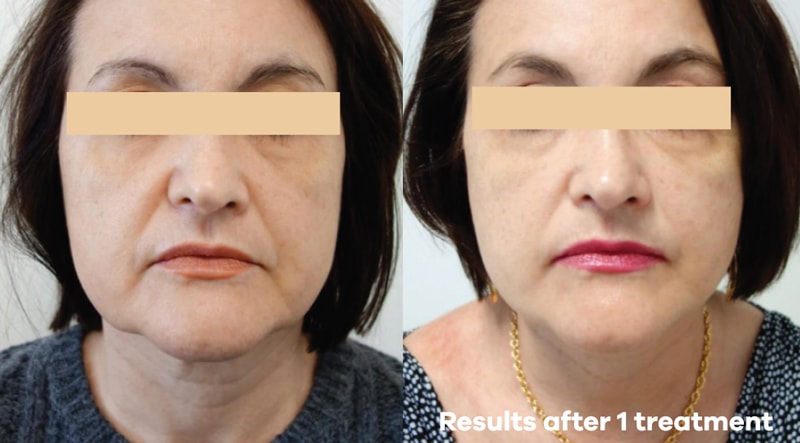
Long-term Transformation (3-6 Months and Beyond):
With consistent monthly or bi-monthly microneedling sessions combined with appropriate serums, many women see significant improvements in overall skin texture, firmness, and radiance. Wrinkles may appear softer and less defined, while skin tone becomes more even.
The cumulative effects of stimulating collagen production become most apparent during this timeframe. Your skin’s ability to maintain moisture and elasticity continues to improve with ongoing treatment.
Encouraging Success Stories:
Many women over 50 report that microneedling with appropriate serums has given them newfound confidence in their appearance. Beyond the physical improvements, the act of taking control of their skincare often leads to a more positive relationship with the ageing process.
The gradual nature of improvement means that changes appear natural rather than dramatic, allowing you to maintain your authentic appearance while enhancing your skin’s health and radiance. Friends and family often comment that you look “well-rested” or “refreshed” rather than obviously treated.
Your Ongoing Skin Health Journey: Support and Next Steps
Successful microneedling with serums is not a destination but an ongoing journey of skin health and self-care. As your skin responds to treatment and your confidence grows, you may want to adjust your approach, upgrade your serums, or explore additional supportive treatments.
When to Upgrade or Change Your Serum Routine:
After 3-4 months of consistent treatment, evaluate your results and consider whether your current serums are meeting your needs. If you started with budget-friendly options and are seeing good results, you might consider upgrading to more advanced formulations for enhanced benefits.
Pay attention to how your skin responds to different ingredients over time. Some people find that their skin becomes more tolerant of active ingredients, allowing them to incorporate stronger formulations or multiple serums safely.
Seasonal changes may require adjustments to your serum choices. You might need more hydrating serums during winter months or additional antioxidant protection during summer when UV exposure is higher.
Professional Consultation Guidelines:
Consider consulting with a dermatologist or licensed aesthetician (Ms Longevity) if you experience persistent irritation, unexpected reactions, or aren’t seeing the improvements you hoped for after 4-6 months of consistent treatment.
Professional guidance can be particularly valuable when dealing with specific skin concerns like melasma, rosacea, or other conditions that may require a specialised approach to microneedling and serum selection.
If you’re interested in combining microneedling with other treatments or upgrading to professional-grade procedures, a consultation can help you understand your options and create a comprehensive treatment plan.
Functional Approach to Skin Health:
Remember that external treatments work best when supported by overall health practices. Adequate sleep, proper nutrition, hydration, and stress management all contribute to skin health and can enhance your microneedling results.
Consider the emotional and psychological benefits of your skincare routine. Taking time for self-care and seeing gradual improvements can boost confidence and overall well-being beyond just physical appearance.
Continued Learning and Adaptation:
Stay informed about new developments in microneedling and serum technology, but be cautious about constantly changing your routine. Consistency typically produces better results than frequently switching products or techniques.
Join Ms Longevity’s Health Hub for support for women navigating skincare after 50. Sharing experiences and learning from others can provide valuable insights and encouragement for your journey.
As you gain experience and confidence with microneedling and serums, you may find opportunities to share your knowledge with friends or family members who are curious about starting their own skin health journey. Your success can inspire others to take positive steps for their skin concerns.
The most important aspect of your ongoing journey is maintaining realistic expectations while celebrating the improvements you achieve. Ageing gracefully doesn’t mean accepting decline; it means taking proactive steps to maintain your skin’s health and appearance while embracing the wisdom and confidence that come with experience.
Your investment in quality serums for microneedling is an investment in your long-term skin health and confidence. With patience, consistency, and the right products, you can achieve meaningful improvements in your skin’s appearance while developing a sustainable routine that supports your overall well-being. The journey to healthier, more radiant skin after 50 is not only possible, it’s an empowering step toward looking and feeling your best at any age.
Popular FAQS about Serums for Microneedling
At Ms Longevity, safety always comes first. These FAQs answer the most common questions women ask me about microneedling, so you can move forward with clarity, confidence, and the reassurance that you’re supporting your skin’s long-term health.
There are a variety of serums that can be used with microneedling, depending on your specific skin concerns and goals. Some popular options include hyaluronic acid serums for hydration and plumping, vitamin C serums for brightening and growth factors and peptides for anti-ageing. It’s important to consult with a skincare professional or do thorough research before choosing a serum to use with microneedling, as some ingredients may not be suitable for all skin types or in combination with the microneedling process. Additionally, it is recommended to use a high-quality serum specifically formulated for microneedling to ensure maximum effectiveness and safety.
While it is not necessary to use a serum with microneedling, it can greatly enhance the results and benefits of the treatment. A serum allows for deeper penetration of active ingredients into the skin, which can help target specific concerns and improve overall skin health.
So what should you look for when choosing a serum for microneedling? It’s important to consider your individual skin concerns and choose a serum that addresses them. For example, if you have dry or dehydrated skin, look for serums with hyaluronic acid or ceramides to provide intense hydration. Those struggling with hyperpigmentation or dark spots may benefit from serums containing vitamin C or niacinamide.
Another factor to consider is the ingredients in the serum. For microneedling, it’s best to avoid serums with harsh chemicals or fragrances that can irritate the skin. Instead, opt for natural and gentle ingredients such as aloe vera, green tea extract, or chamomile.
Additionally, make sure to choose a serum that is specifically formulated for use with microneedling. These serums are often lighter in consistency and are designed to work synergistically with the microchannels created by the needles.
It’s also essential to follow proper post-microneedling care when using a serum. This includes keeping your skin clean and hydrated, avoiding harsh products or exfoliants, and protecting your skin from sun exposure.
It depends on what’s in them. Most regular serums, especially those containing retinol, exfoliating acids, or fragrance, are too harsh to use immediately after microneedling. The microchannels created by the needles make your skin more permeable, allowing actives to penetrate too deeply and causing irritation or inflammation.
For the first 48 hours, stick to sterile, hydrating serums such as hyaluronic acid or peptide-based formulas specifically made for microneedling. Once your skin barrier has recovered, you can slowly reintroduce your usual serums one at a time to monitor how your skin responds.
Timing is crucial for results and safety. You should apply your sterile microneedling serum immediately after treatment, ideally within the first 5 to 10 minutes while the microchannels are still open for optimal absorption.
After that, allow your skin to rest for several hours before applying anything else. Avoid layering multiple serums during this period. In the following 24 to 48 hours, continue using the same serum to support healing and hydration. Introducing new products too early can disrupt the repair process and reduce the effectiveness of the repair.
Yes, but with caution. Combining serums can enhance your results when done correctly, but it’s best to introduce them gradually and layer based on texture and tolerance. Start with one hydrating base serum, such as hyaluronic acid, then add a targeted serum like peptides or growth factors in later sessions once your skin has adjusted.
Avoid mixing multiple active serums (like vitamin C and retinol) right after microneedling, as they can overwhelm freshly treated skin. A minimalist approach always delivers better recovery and more visible results over time, especially for mature skin.