
What are the main health benefits of oxygen therapy and how does it work?
Oxygen Therapy uses controlled intermittent exposure to low and high oxygen levels to train the body for better oxygen use, leading to improved physical and mental health outcomes. It’s a scientifically backed, personalised treatment that can benefit athletes, people with chronic conditions, and those seeking overall health optimisation
🔑 Key Takeaways
ReOxy is a gentle, non-invasive oxygen-training therapy that uses controlled cycles of low-oxygen and high-oxygen air to retrain how your cells adapt, produce energy, and recover. Unlike hyperbaric oxygen therapy (HBOT), it focuses on oxygen efficiency, not pressure.
- ReOxy oxygen therapy uses alternating low-oxygen (hypoxic) and high-oxygen (hyperoxic) cycles to train your cells to use oxygen more efficiently – a process known as Intermittent Hypoxic-Hyperoxic Training (IHHT).
- Rather than simply giving the body more oxygen, ReOxy encourages adaptive cellular responses that can support energy, recovery, cognitive clarity and overall resilience.
- The therapy is passive, comfortable, and typically takes around 40 minutes, making it accessible for fatigued individuals, active professionals, athletes, and people rebuilding strength after stress or illness.
A Note From Ms Longevity
From a Ms Longevity perspective, oxygen utilisation is one of the most overlooked foundations of wellbeing.
You can be eating well, sleeping well, and exercising consistently, yet still feel tired or slow to recover if your cells aren’t using oxygen efficiently.
As a therapist-led longevity educator, my goal is to help you understand why oxygen therapy works, who it’s suited for, and where it realistically fits within a long-term health plan.
No hype. No exaggerated claims. Just clear guidance so you can make informed decisions aligned with your goals, capacity, and current level of health.
Why This Matters Before We Go Any Further
Oxygen isn’t just something you breathe; it is the fuel your mitochondria rely on to produce energy. With age and stress, your ability to use oxygen efficiently naturally declines. You feel this long before any lab test detects it:
- in your stamina
- in your mental clarity
- in your recovery
- in your daily resilience
ReOxy aims to support this essential part of your biology by improving how your cells adapt to changes in oxygen, helping you build a stronger foundation for health and longevity.
Now, let’s explore exactly what ReOxy oxygen therapy is and why it’s gaining attention among people looking for safe, intelligent ways to support energy, recovery, and long-term vitality.
What is ReOxy Oxygen Therapy?
ReOxy is a cutting-edge respiratory therapy system that utilises Intermittent Hypoxic Hyperoxic Training (IHHT) technology to create controlled variations in oxygen levels. Rather than simply providing more oxygen, this innovative approach alternates between carefully controlled hypoxic phases (10-15% oxygen concentration) and hyperoxic phases (30-40% oxygen concentration).
Each session simulates high-altitude training conditions to trigger adaptive responses at the cellular, tissue, and organ levels. What makes ReOxy particularly sophisticated is its AI-powered delivery system that personalises oxygen concentrations based on individual medical history and real-time physiological monitoring throughout each session.
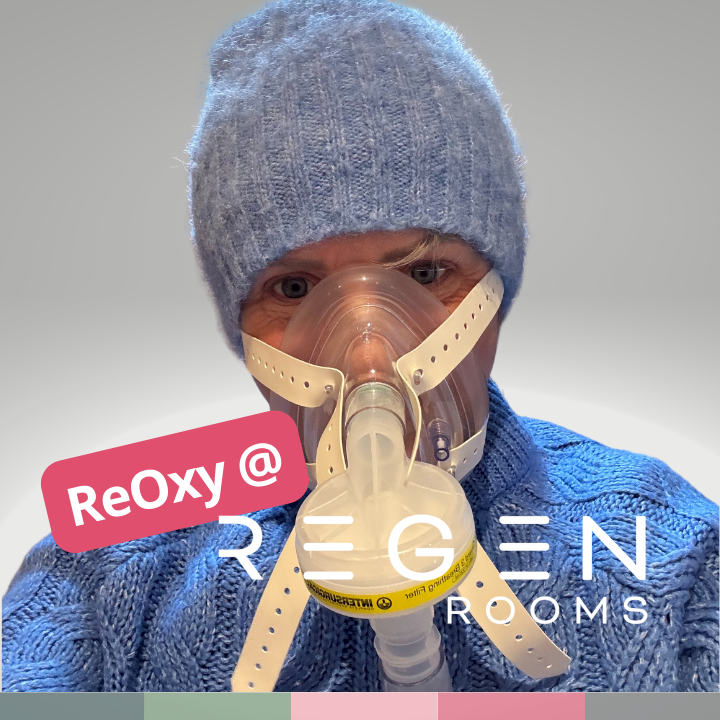
As a wellness treatment, it is completely passive, drug-free, and non-invasive, delivered through a comfortable face mask during 40-minute sessions.
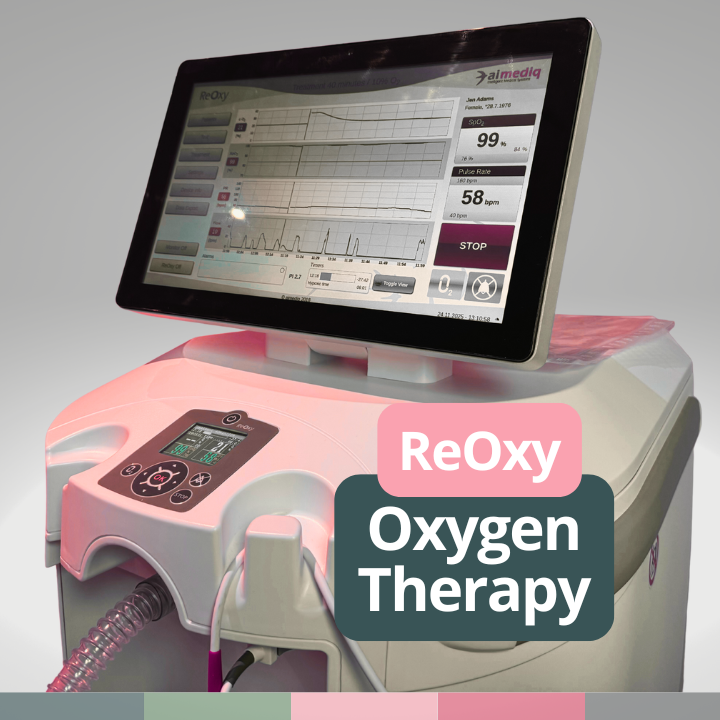
The ReOxy device continuously monitors your blood oxygen saturation, heart rate, and other vital signs, automatically adjusting the gas mixtures to ensure you remain within optimal therapeutic ranges.
This individualised approach means the ReOxy machine adapts to your body’s responses and tolerance levels, creating a treatment tailored to your unique physiology, making each treatment both safe and effective every time.
While the technology behind ReOxy is sophisticated, the experience for the individual is intentionally simple. You remain rested and comfortable while the device handles the adaptive oxygen delivery for you. This is one of the reasons ReOxy fits well within a long-term wellness or longevity routine, it provides structured physiological support without adding physical stress or demanding high effort.
Understanding Intermittent Hypoxic Hyperoxic Training (IHHT)
IHHT is based on the principle of hormesis-controlled stress that stimulates beneficial adaptive responses in your body. This concept recognises that mild, controlled stressors can actually strengthen our biological systems when applied appropriately.
During hypoxic phases, when you’re breathing reduced oxygen levels, your cells experience controlled stress responses that enhance mitochondrial function and improve oxygen efficiency. These periods of low oxygen trigger your body to become more efficient at utilising whatever oxygen is available, essentially training your respiratory system and cellular metabolism.
The hyperoxic phases that follow when oxygen concentration increases significantly above ambient air levels amplify recovery and regenerative processes following the hypoxic stress. This creates a powerful cycle where your body experiences both the adaptive challenge and the enhanced recovery support.
The alternating cycle mimics natural high-altitude training effects without requiring physical exertion or travel to mountainous regions. Scientific research demonstrates IHHT’s effectiveness in improving cardiovascular system function, cognitive function, and cellular resilience across various populations.
This intermittent hypoxic-hyperoxic approach essentially teaches your body to become more resilient and efficient at processing and using oxygen in everyday life.
How ReOxy Differs from Traditional Oxygen Therapies
Understanding the distinctions between ReOxy and other oxygen-based treatments, such as (HBOT) hyperbaric oxygen therapy, is crucial for appreciating its unique therapeutic approach.
Traditional oxygen therapy provides continuous high oxygen concentrations to treat oxygen-deficient conditions.
When someone has compromised lung function or respiratory distress, supplemental oxygen helps maintain adequate blood oxygen saturation levels.
This approach addresses immediate medical needs by compensating for the body’s reduced ability to obtain oxygen.
Hyperbaric Oxygen Therapy (HBOT) uses high-pressure oxygen environments for wound healing and specific medical conditions. Patients breathe pure oxygen in pressurised chambers, dramatically increasing the amount of oxygen dissolved in their blood plasma. This approach is particularly effective for conditions like carbon monoxide poisoning or non-healing wounds.
ReOxy’s IHHT approach creates controlled variability in oxygen levels rather than sustained high oxygen levels. Instead of simply adding more oxygen to address deficiency, ReOxy alternates between periods of reduced oxygen and increased oxygen to create beneficial stress-adaptation cycles.
While traditional therapies address existing deficiencies or medical emergencies, ReOxy enhances normal physiological function through adaptive training. The goal isn’t to treat illness but to optimise the body’s natural ability to use oxygen more efficiently.
This fundamental difference means that ReOxy focuses on prevention and performance optimisation rather than treatment of acute medical conditions, making it particularly valuable for wellness-oriented individuals seeking to enhance their overall vitality and resilience.
If you’d like to understand the ReOxy device itself in more depth, the manufacturer provides a clear technical overview of how the system delivers Intermittent Hypoxic–Hyperoxic Training (IHHT). Their description explains the safety features, monitoring technology, and the logic behind alternating oxygen levels. You can explore this information directly on the AIMediq website: https://www.aimediq.com/general-description/. Reviewing the manufacturer’s materials can help you gain a fuller picture of how the device works and how IHHT is designed to support oxygen adaptation at a cellular level.
Who Can Benefit from ReOxy Oxygen Therapy
ReOxy is not a replacement for functional health habits; it’s a supportive tool that enhances your wellness rituals.
It is often considered when someone feels they are “doing everything right” yet still lacking steady energy, clarity, or resilience.
My role as Ms Longevity is to help you understand where a therapy like ReOxy fits in your daily routine and when it is the right time to introduce it, based on your current capacity, stress load, and wellbeing priorities.
Athletes and fitness enthusiasts often seek ReOxy for enhanced endurance, improved physical performance, and faster recovery times.
The controlled hypoxic exposure mimics altitude training effects, potentially improving VO2 max and exercise tolerance without the logistical challenges of training at high elevations.
Post-COVID patients experiencing respiratory issues, persistent fatigue, or reduced lung capacity may find ReOxy particularly valuable for rehabilitation.
Many individuals report improvements in exercise tolerance, energy levels, and overall quality of life following treatment courses specifically designed to support respiratory system recovery.
If you are noticing an age-related decline in cognitive function, memory, or mental clarity, you represent another key person who will benefit from ReOxy, as the enhanced blood flow and oxygen utilisation improvements associated with IHHT may support brain health and cognitive performance, though individual responses vary significantly.
People with cardiovascular or respiratory challenges looking for supportive, non-pharmaceutical interventions often find ReOxy appealing as part of their broader wellness strategy.
The therapy’s ability to improve endothelial function and cardiovascular efficiency makes it particularly relevant for those focused on heart health.
Health-conscious or biohackers pursuing longevity and anti-ageing benefits through cellular optimisation increasingly turn to ReOxy as part of comprehensive wellness programs focused on maintaining vitality and preventing age-related decline.
Specific Benefits by Population
Athletes: Improved VO2 max, enhanced endurance capacity, faster recovery between training sessions, and better performance at altitude. The passive nature of the treatment allows for training benefits without additional physical stress on the body.
Seniors: Enhanced cognitive function, potentially reduced biological ageing markers, improved quality of life through better energy levels and mental clarity. The gentle, controlled nature makes it suitable for older adults who may not tolerate intensive exercise.
Post-COVID patients: Restored lung capacity, increased energy levels, improved oxygen transport efficiency, and enhanced overall stamina for daily life activities. Many report feeling more like their pre-illness selves after completing treatment courses.
Biohackers: Better sleep quality, enhanced stress resilience, metabolic function optimization, and strengthened immune system responses. These individuals often integrate ReOxy with other longevity-focused practices for comprehensive health optimization.
Safety, Suitability, and Medical Considerations
ReOxy therapy requires careful assessment and ongoing monitoring to ensure both safety and effectiveness.
The ReOxy procedure begins with an initial medical assessment and hypoxic test protocols designed to determine individual suitability and establish personalised treatment parameters.
Continuous monitoring of heart rate, blood oxygen levels, blood pressure, and pulse rate during all sessions ensures patient safety throughout the treatment process.
The AI-controlled system automatically adjusts oxygen levels based on real-time feedback and can terminate sessions if vital signs exceed safe parameters.
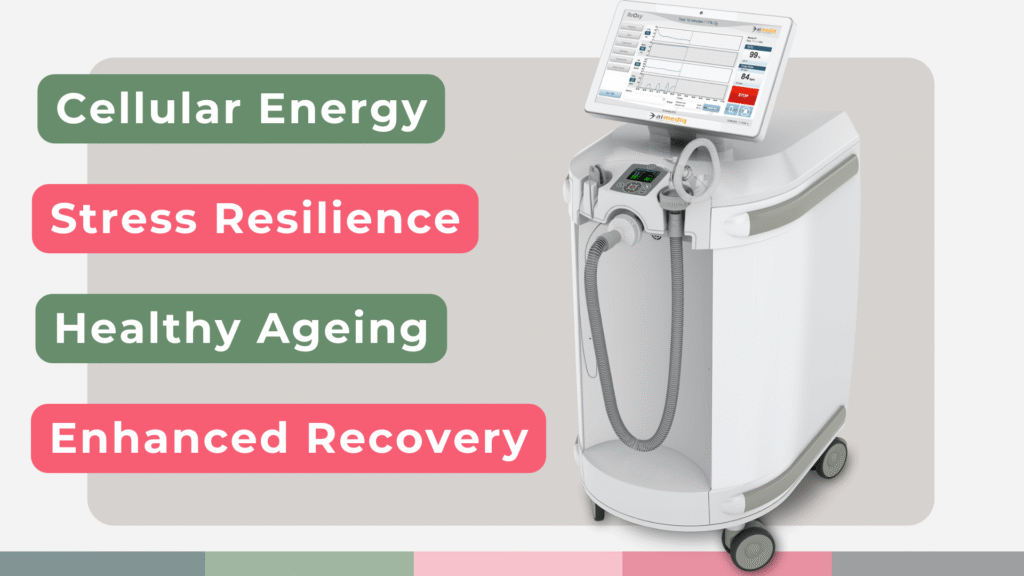
The biofeedback principle built into ReOxy systems means that dosed levels are adjusted in real time based on your body’s responses. This real-time adaptation helps maximise therapeutic benefits while maintaining safety margins.
Treatment may be contraindicated for patients with certain cardiovascular conditions, severe respiratory diseases, or pregnancy. Medical supervision is particularly recommended for patients with multiple comorbidities, recent surgeries, or chronic health conditions that might affect their response to controlled hypoxia.
Pre-Treatment Assessment
A comprehensive medical history review examines cardiovascular, respiratory, and nervous system conditions that may influence treatment suitability.
This assessment helps identify potential contraindications and establish appropriate safety protocols.
A 10-minute hypoxic tolerance pre-test determines individual oxygen sensitivity and establishes treatment parameters. During this test, patients breathe slightly reduced oxygen concentrations while their physiological responses are carefully monitored and recorded.
Baseline measurements of blood pressure, heart rate and blood oxygen saturation provide reference points for tracking progress and ensuring safety throughout the treatment course.
Ongoing monitoring throughout the treatment course includes adjustments based on patient response and progress. Test results from each session inform modifications to subsequent treatments, ensuring optimal therapeutic benefit while maintaining safety.
ReOxy Therapy and Longevity-Focused Lifestyle
From a longevity perspective, ReOxy enhances cellular mitochondrial function, supporting the body’s natural energy production and repair mechanisms. This fundamental cellular support underpins many of the therapy’s observed benefits across different body systems.
The therapy helps reduce oxidative stress and inflammation, key factors in biological ageing and the development of chronic disease. By improving the efficiency of cellular oxygen utilisation, ReOxy may help cells function more optimally and resist age-related decline.
ReOxy complements exercise regimens by improving oxygen utilisation efficiency and enhancing recovery between workout sessions.
Rather than replacing physical activity, it amplifies the benefits of your existing movement practices and may help you get more out of your training.
The therapy sessions synergise with healthy nutrition, stress management, and sleep optimisation to support comprehensive wellness.
Many practitioners, like Ms Longevity, recommend combining ReOxy with other longevity-focused practices to create synergistic effects that enhance overall well-being.
Integration with Wellness Practices
ReOxy enhances the benefits of strength training, cardiovascular exercise, and flexibility work by improving oxygen delivery to working muscles and accelerating recovery.
This makes it particularly valuable for individuals who want to maintain or increase their physical capacity as they age.
The therapy supports meditation and mindfulness practices by improving stress resilience and mental clarity.
Many users report feeling calmer and more centred following treatment courses, which may enhance the effectiveness of contemplative practices.
ReOxy complements nutritional interventions by optimising cellular metabolism and nutrient utilisation.
When your cells can use oxygen more efficiently, they may also process nutrients more effectively, potentially amplifying the benefits of good nutrition.
The therapy works alongside sleep hygiene practices to improve sleep quality and recovery.
Better cellular energy production and reduced inflammation may contribute to more restorative sleep patterns and enhanced daily energy levels.
Treatment Protocols and Expected Outcomes
A standard ReOxy treatment protocol for general health, medical support, and longevity typically involves 10 sessions, completed 2–3 times per week within a 21-day period. This timeframe creates an effective loading phase, allowing the body to adapt to hypoxic–hyperoxic cycles while still supporting recovery between sessions.
For athletes or those training for performance, a more intensive approach is often used, with up to 15 sessions completed within the same 21-day window. This higher session frequency is designed to maximise oxygen-efficiency adaptations and performance benefits, while still being carefully monitored and individually adjusted.
Each session lasts approximately 40 minutes with personalised hypoxic-hyperoxic cycles based on individual tolerance levels and therapeutic goals.
The specific pattern of oxygen concentration varies among individuals and may evolve throughout the treatment course.
Initial benefits are typically observed after the first loading phase of 6-8 sessions, with maximum effects achieved after completing the full course of 20 sessions. However, individual responses vary significantly, with some people noticing improvements earlier than others require more sessions to experience meaningful changes.
Effects can last 6-12 months after completion of a full treatment course, with maintenance sessions recommended quarterly to sustain benefits.
The duration of benefits depends on individual factors, including overall health, lifestyle practices, and adherence to supportive wellness behaviours.
Progress monitoring includes VO2 max, biological age testing, endurance testing, and biomarker analysis. This objective tracking helps ensure that the therapy is providing meaningful benefits and allows for treatment adjustments as needed.
Many users find that the benefits of ReOxy become most apparent in their daily life activities, improved stamina for everyday tasks, better mental clarity during work, enhanced exercise tolerance, and greater overall resilience to stress.
The gradual nature of improvements means that some people don’t immediately recognise changes until they complete the full course and reflect on their enhanced physical capacity and well-being compared to their starting point.
Treatment Protocols and Expected Outcomes
The ReOxy Oxygen Therapy program typically unfolds in structured phases designed to optimise both safety and therapeutic benefit.
Understanding what to expect can help you make informed decisions about whether this therapy aligns with your health goals.
During your first few sessions, the focus is primarily on establishing your individual tolerance levels and comfort with the breathing hypoxic and hyperoxic gas mixtures.
The ReOxy device continuously monitors your physiological responses, learning how your body responds to different oxygen concentrations and timing patterns.
As you progress through the treatment course, the sessions become increasingly personalised based on your body’s demonstrated responses and adaptation patterns.
This individualisation ensures that you receive optimal therapeutic benefit while remaining within safe physiological parameters.
People find the actual treatment quite relaxing; you rest comfortably while breathing through the facial mask, as the device automatically manages all oxygen-level adjustments.
There’s no physical exertion required, making it suitable for people at various fitness levels and with various health conditions.
The cumulative effects typically become most noticeable as you approach the midpoint of your treatment course, with continued improvements often observed for several weeks after completing the final session. This delayed response pattern reflects the time required for cellular adaptations to fully manifest in improved overall well being.
Conclusion: Is ReOxy Right for You?
ReOxy oxygen therapy offers a gentle, structured way to improve how your body uses oxygen, the foundation of energy, cognition, recovery, and long-term vitality. This could be the therapy that becomes the missing link between effort and results, especially when fatigue, overwhelm, or slow recovery begin to interfere with well-being.
The best next step is to explore a clinic, ask questions, and understand how IHHT may support your personal goals. ReOxy oxygen therapy works best when aligned with your wider longevity wellness plan, movement, nutrition, stress recovery, sleep, and metabolic balance.
Next Steps
If learning about ReOxy treatment has sparked your curiosity, your next step is to explore where this therapy is offered and see what feels right for you. Several wellness clinics across the UK now provide IHHT-based ReOxy sessions, each with its own approach and environment.
- ReGen Rooms in Leamington Spa offers a calm, restorative setting ideal for people rebuilding energy or resilience.
- Biohacking MCR in Manchester integrates ReOxy within a more performance-driven, optimisation-focused environment.
- HUM2N in London includes CardioStrong ReOxy therapy as part of its broader biohacking and longevity offering.
Each clinic has its own approach, environment, and style of support, so connecting with one locally can help you understand what to expect and whether ReOxy feels right for your current goals and energy levels.
Reaching out for a conversation or initial enquiry can give you the clarity you need to make an informed next step in your wellness journey.
If you’d like therapist-led clarity on where therapies like ReOxy genuinely fit into your wellness routine and how to build a daily longevity plan that supports your energy, hormones, skin and emotional wellbeing, the Ms Longevity Health Hub is your next step.
Inside, you’ll find actionable guidance designed to help you age with intention rather than overwhelm.
A Different Approach To Anti-Ageing
Unlike trends that focus only on superficial beauty or weight loss, Ms Longevity takes a functional, personalised approach. The methods are rooted in addressing the root causes of health and skin concerns and providing clients with the tools they need to thrive in their own unique way, through education and empowerment.
Ms Longevity teaches women the importance of metabolic health, functional skincare, and sustainable lifestyle changes, helping them to rediscover control over the ageing process on their own terms.
ReOxy alternates between low- and high-oxygen phases rather than providing constant high oxygen, creating beneficial stress responses that trigger cellular adaptation and improved oxygen utilisation efficiency, which home oxygen concentrators cannot achieve. The controlled variability and precise timing of oxygen changes are essential to the therapeutic mechanism.
ReOxy oxygen therapy is generally well-tolerated with minimal side effects; some patients may experience mild dizziness or sleepiness during initial sessions as the body adapts, but serious adverse effects are rare when proper medical screening and monitoring protocols are followed. The continuous monitoring and automatic safety controls significantly reduce potential risks.
ReOxy oxygen therapy enhances rather than replaces physical exercise. At the same time, it improves oxygen utilisation and endurance capacity. It works best when combined with regular movement and exercise to maximise cardiovascular, muscular, and metabolic benefits.
Think of it as optimising your body’s oxygen efficiency to get more from your existing physical activity.
Benefits typically persist for 6-12 months after completing a full treatment course, with individual variation based on lifestyle factors, age, and overall health; maintenance sessions every 3-4 months help sustain optimal results.
The lasting nature of benefits reflects genuine physiological adaptations rather than temporary effects.
ReOxy oxygen therapy can benefit elderly patients when properly supervised, but requires careful medical assessment and monitoring; patients with significant cardiovascular, respiratory, or neurological conditions need physician approval and may require modified treatment protocols for safety.
The gentle, passive nature of the therapy often makes it more suitable for older adults than intensive exercise programs.