
Which red light therapy device is best, a mask or a panel?
The best red light therapy device depends on your skin goals, lifestyle, and expectations. LED panels typically deliver stronger irradiance and broader coverage, ideal for whole-body mitochondrial support and deeper tissue recovery. LED masks, however, offer targeted facial benefits with convenience, making them easier to use consistently.
Red Light Therapy For Longevity
You’ve likely heard about light therapy, and here’s what I want you to know: this simple longevity ritual has become one of the most accessible ways to support your body’s natural rejuvenation treatment that help to lower your biological age and improve longevity.
Red light therapy stands apart as daily nourishment for your cells, using specific wavelengths that your skin and tissues recognise and welcome.
This isn’t about complicated procedures or clinical visits, though those have their place.
What excites me most is how you can now weave this functional longevity tool into your own home and create a simple ritual that taps into your body’s incredible capacity for renewal.
As a Registered Nutritional Therapist and the founder of Ms Longevity, I’ve worked with hundreds of women navigating menopause skin changes and energy loss. Choosing the right LED device isn’t about hype, it’s about how that device fits your biology, lifestyle, and goals.
The real magic happens beneath the surface, where your cells remember how to thrive. Regular sessions with red light become like a cellular reset for your biological age, supporting clearer skin, encouraging natural hair regrowth, and providing relief from persistent aches that can drain your energy.
Your mitochondria, those powerhouses in every cell, respond to this light like flowers turning toward the sun, supporting tissue repair and cellular vitality from within.
Whether you’re ready to restore your skin’s natural radiance, support your hair’s return to fullness, or rejuvenate cellular renewal to help with muscle soreness or joint pain, this science-backed ritual fits beautifully into the life you’re already living.
As more women discover how red light therapy supports their longevity journey, it’s becoming what I consider an essential cornerstone not just for how you look, but for how vibrantly you feel as you move through this next chapter.
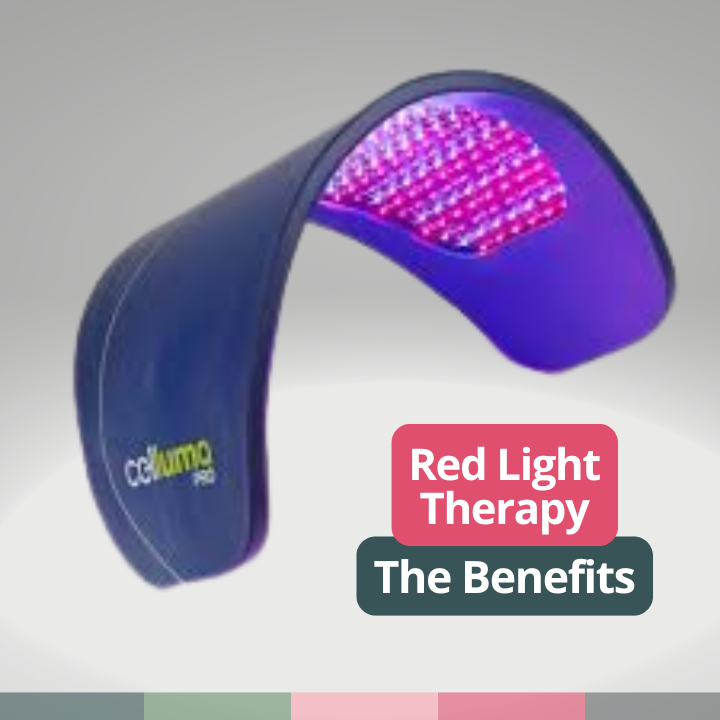
Red Light Therapy For Skin Rejuvenation
The best red light therapy device depends on your skin goals, lifestyle, and expectations.
LED panels typically deliver stronger irradiance and broader coverage, ideal for whole-body mitochondrial support and deeper tissue recovery.
These devices use LED lights (light-emitting diodes) to emit therapeutic wavelengths of red or near-infrared light, which penetrate the skin and stimulate biological responses.
LED masks, however, offer targeted facial benefits with convenience, making them easier to use consistently.
A red light therapy mask is a specialised device designed to be worn on the face, delivering red and near-infrared light directly to facial skin to address concerns like wrinkles, acne, and visible signs of ageing.
For skin rejuvenation after 50, both can be effective when used regularly the key is matching the device to your needs and routine.
Red light therapy is not a one and done treatment; ongoing sessions are necessary to achieve and maintain the best results.
Can red light therapy really slow down ageing or improve your energy after 50?
Yes, while many people think of red light therapy as a beauty gadget, its real power lies in its ability to support cellular health, stimulate collagen, and enhance mitochondrial energy metabolism.
In fact, red light therapy may help reduce visible signs of ageing skin, making it a valuable tool for women seeking to address age-related skin concerns. This non-invasive, science-backed treatment offers multiple health benefits, including improved overall well-being, enhanced skin health, and support for various bodily functions.
Red light therapy may also support skin quality and help reverse ageing-related changes, contributing to firmer, healthier-looking skin.
For women over 50, the right red light therapy benefits can extend beyond surface glow to support skin firmness, energy, and long-term vitality.
Choosing the Right Device for Skin Rejuvenation
While many women discover red light therapy through skincare influencers, the real science behind it goes much deeper.
This article explores how to choose between LED panels and LED masks based on your goals, whether it’s improving skin firmness, boosting collagen, or supporting your overall skin vitality after menopause.
When matching the device to your needs and routine, consider the convenience and accessibility of using an at-home device for regular skin rejuvenation.
For optimal results, consult a healthcare professional like Ms Longevity who can help you develop a personalised treatment plan tailored to your unique skin concerns and health needs.
How Red Light Therapy Works
These wavelengths penetrate the skin, where they are absorbed by mitochondria the energy centres of your cells.
This boosts ATP production, giving skin cells the fuel they need to repair tissue, reduce inflammation, and produce more collagen and elastin.
These wavelengths also stimulate cellular activity, enhancing natural cell processes like collagen production and blood circulation.
Red light therapy, also called LED light therapy or photobiomodulation and sometimes referred to as low level light therapy, uses specific wavelengths of light to stimulate cellular repair.
The technology relies on light emitting diodes (LEDs) as the light source, and these devices emit visible light in the red spectrum.
Power Density (Irradiance) and Proximity
Panels often seem more powerful, but what really matters is the irradiance (measured in mW/cm²) and how close the device is to the skin.
A panel used 30cm away can deliver less energy than a mask placed directly on the face.
This energy delivery is crucial when targeting collagen loss, dullness, or sun damage.
Pulsed vs Continuous Wave Light
Newer devices use pulsed light to improve results.
Some research suggests certain pulse frequencies may enhance mitochondrial stimulation and collagen production more than static light.
Some brands use pulse-specific frequencies in their masks and panels to target mature skin more effectively.
Wavelength Combinations That Work After Menopause
Red (630–660nm) and near-infrared (810–850nm) are essential but additional blends like magenta or amber can help with pigmentation, dull tone, and reduced elasticity.
Multi-wavelength masks and panels enable more targeted treatment of post-menopause concerns.
Some devices also incorporate blue light, which is used in photodynamic therapy (PDT) to treat acne by targeting acne-causing bacteria and reducing inflammation, often in conjunction with red light for enhanced results.
Red light therapy can also help reduce the appearance of acne scars by promoting collagen production and supporting skin healing.
These wavelength combinations can lead to enhanced results, including achieving smoother skin texture.
Synergy with Skincare and Nutrition
Red light therapy works best when your body has the nutrients to support repair.
A diet rich in antioxidants (vitamin C, polyphenols, zinc, etc.) and topical skincare that enhances absorption (e.g., peptides, niacinamide) boosts results. This is where red light meets true longevity a skin + metabolic approach that supports optimal skin health.
Ease of use to achieve real results
Its ideal to use the device 3–5 times a week to see optimal results. For many women, a hands-free mask is easier to stick with.
Panels are more versatile, but they require dedicated time and space.
The honest answer to which is best is the most effective device is the one you use consistently.
Therefore, home devices make it easier to maintain a consistent treatment schedule for optimal results.
Hyperpigmentation and Melasma Caution
Some wavelengths or heat levels may trigger melasma or worsen pigmentation in sensitive skin.
It’s important to consider individual skin concerns when selecting a device or treatment protocol.
Individuals with darker skin tones may experience increased sensitivity or a higher risk of hyperpigmentation with certain wavelengths, so extra caution is needed. This is where guidance matters not all devices are suited for all skin types or conditions.
The Key Benefits of Red Light Therapy
Collagen Stimulation In Menopause
In menopause years, collagen production can drop by up to 30%.
Red light wavelengths directly stimulate fibroblasts, the cells responsible for producing collagen and elastin. Over time, this improves:
• Skin firmness and elasticity, contributing to more youthful skin
• Reduced fine lines and wrinkles
• Faster healing after minor injuries
Red light therapy can also help you achieve smoother, healthier skin by supporting your body’s natural collagen and elastin production.
Cellular Energy, Recovery & Inflammation Reduction
Chronic inflammation and slower recovery often become barriers to active ageing. The photobiomodulation therapy mechanism helps counter this by:
• Increasing circulation and oxygen delivery
• Modulating inflammatory cytokines
• Enhancing muscle recovery and joint comfort
• Helping to relieve pain, including both chronic and acute pain, by reducing inflammation and supporting tissue repair.
For women navigating hormonal changes and reduced collagen after 50, red light therapy helps ease joint stiffness, soothe post-workout soreness, and speed up tissue repair supporting a more active, pain-free lifestyle as part of the longevity journey.
Improved Sleep, Circulation & Mood Regulation
Red Light influences circadian rhythms.
Evening red light exposure can increase natural melatonin production, supporting deeper sleep cycles.
Additionally, it promotes gentle vasodilation, improving circulation and nutrient flow to skin and brain tissue.
Red light therapy also enhances blood circulation, which supports healing and overall skin health.
Metabolic & Hormonal Support
Studies suggest that red and near-infrared wavelengths may enhance insulin sensitivity and cellular metabolism.
For midlife women struggling with energy dips, this mild metabolic boost can make everyday movement and exercise more effective.
LED Panels vs Masks - What Is The Difference?
While both tools use the same wavelengths, they differ in power, coverage, and therapeutic depth.
Feature | LED Mask | LED Panel |
|---|---|---|
Coverage Area | Face only | Full face, neck, or body |
Wavelengths | Usually red only | Red + near-infrared (NIR) |
Irradiance (Power) | ~30 mW/cm² | 80–120 mW/cm² |
Session Time | 10–20 minutes | 5–10 minutes |
Depth of Penetration | Shallow (skin surface) | Deeper (muscle, joints, mitochondria) |
Primary Benefits | Wrinkle reduction, glow | Cellular energy, inflammation control, skin firmness |
Cost Range (UK) | £200–£600 | £500–£2,000 |
Best For | Beginners focused on skin tone | Women 50 + focused on longevity & recovery |
Based on current research and user reports, red light therapy appears to offer distinct benefits depending on whether a mask or panel is used.
Many red light devices are now available for home use, including several red light devices that have received FDA approval for home use, offering effective options for reducing signs of aging.
How to Choose the Right LED Device for Your Longevity Goals
When comparing LED masks vs panels, focus on science, not marketing.
Key factors include:
• Wavelengths: Look for red + near-infrared ranges (630–850 nm) to reach both skin and deeper tissues.
• Irradiance: Higher power means shorter sessions and greater results typically >80 mW/cm² for panels.
• Size & Coverage: Full-body or half-body panels support whole-system recovery.
For skin rejuvenation, a red-only mask can suffice.
For longevity and energy, a red + NIR panel simulates the natural wavelengths of sunrise for improving cellular health beyond the skin’s surface.
At-home photobiomodulation therapy devices have become far more accessible, offering clinic-level results when used consistently.
Many red light devices are now available for home use, including those marketed as low power laser therapy (also known as low-level laser therapy or photobiomodulation) devices, giving consumers a wide range of safe, non-invasive options.
Using an At-Home LED Device for Longevity Health Benefits
Think of incorporating red light therapy into your daily ritual as giving your skin its own personal reset button. This simple, at-home practice can be transformative for your skin’s renewal journey, supporting hair vitality and overall skin health in ways that honor your body’s natural wisdom.
When you choose devices like red light therapy masks and panels, you’re working with near infrared light that penetrates deep into your skin think of it as having a conversation with your cells, encouraging them to wake up, grow, and repair themselves.
This becomes especially meaningful when you’re ready to address the changes that come with time, reduce inflammation that no longer serves you, or nurture hair growth all from the comfort of your own sanctuary.
To truly honour your red light therapy practice, you’ll want to follow the guidance that comes with your device, treating it as your trusted roadmap.
Always protect your eyes with those goggle.
Start with shorter sessions and listen to how your skin responds, because your body is always giving you feedback.
If you have deeper skin tones, you may find you need to adjust how long or intensely you use these treatments, as your skin’s melanin affects how it receives that healing infrared light.
When you choose an FDA-cleared device, you’re making a wise investment in something both safe and effective for your specific goals whether that’s a facial mask for skin renewal or a device designed to support your hair’s vitality.
By weaving red light therapy into your self-care rhythm, you’re opening the door to a range of possibilities smoother, more resilient skin and stronger, healthier hair that reflects your inner vitality.
With the right at-home device and a consistent, gentle approach, you’re not just using a treatment; you’re supporting your body’s remarkable ability to heal, renew, and flourish at every beautiful stage of your life. This is your invitation to work with your biology, not against it.
Safety, Realistic Expectations & What Evidence Says
According to the Cleveland Clinic, LED light therapy is considered safe for most adults when used as directed. Still, women over 50 should take precautions:
Proper Eye Protection: Always wear protective goggles or keep eyes closed during treatment; avoid staring into LEDs to ensure proper eye protection.
Unlike ultraviolet light from a tanning bed, red light therapy does not increase the risk of skin cancer and is considered a safe alternative for skin treatments.
Photosensitivity: Check medications or HRT that increase light sensitivity.
Gradual Start: Begin with short sessions (5–8 minutes) at moderate distance. For exclusive guidance and tools to support your progress, consider joining our Health Hub.
Consistency Over Intensity: Results build over weeks, not overnight.
While the red light therapy safety after 50 profile is strong, expectations should remain realistic.
Think renewal and resilience, not instant transformation. While current evidence is promising, more research is needed to fully understand the long-term effects and optimal protocols for red light therapy.
Beyond Skin Deep: How Light Therapy Shapes Longevity from the Inside Out
While most people first discover red light therapy benefits through beauty magazines or spa ads, the deeper story lies at the cellular level.
Using red light therapy can be easily incorporated into your daily routine for both health and cosmetic benefits, with practical guidance available for safe usage and optimal results.
The true gift of consistent LED light therapy is that it helps your body age smater, maintaining function, repair, and energy, even as hormonal and metabolic shifts occur after 50.
Photobiomodulation therapy is the scientific name for red and near-infrared light treatment, it helps offset this by energising mitochondria, improving oxygen utilisation, and reducing oxidative stress.
While widely used in dermatology, red light therapy’s real value for women over 50 lies in its ability to support skin repair, resilience, and circulation from the inside out specially as collagen levels and hormonal support begin to decline.
The Hormonal Connection: Menopause, Collagen, and Mitochondrial Support
During menopause, estrogen levels plummet, which leads to reduced collagen synthesis and slower wound healing. Interestingly, research suggests that red light therapy for collagen stimulation works through similar pathways that estrogen once supported particularly by activating fibroblasts (cells responsible for producing collagen and elastin).
Women using LED therapy during menopause often report improvements not just in skin elasticity but also in scalp and joint comfort. By restoring mitochondrial performance, near infrared light therapy benefits extend beyond beauty:
• Enhanced recovery after workouts or minor injuries, as red light therapy accelerates tissue repair and supports faster healing
• Reduced inflammation in joints
• Better circulation and nutrient delivery
• Clearer cognitive function (thanks to improved blood flow to the brain)
Creating a Holistic Light Routine for Longevity
Here’s a simple Longevity lifestyle Routine for women over 50:
1. Morning (Energy Boost): Use a red light panel for 5–10 minutes on the face or body while doing breathwork or journaling. This supports mitochondrial activation and sets your circadian rhythm.
2. Afternoon (Recovery Reset): After exercise, a 10-minute NIR session can accelerate muscle recovery and reduce inflammation.
3. Evening (Calm & Collagen): LED masks or smaller panels can help wind down before bed, promoting collagen production and relaxation.
For optimal red light therapy anti-aging results, consistency matters more than intensity.
Treat it like meditation, a quiet moment that nourishes your skin and energy over time. It’s this simple regular rritual that rewires your biology and brings real, visible benefits.
Hair Growth and Light Therapy
Thinning hair feels like one of those unwelcome symptoms of change arriving after 50 without warning, the truth about shifting hormones and your body’s evolving rhythms.
As your cellular renewal slows and your hair begins to whisper rather than sing, you might find yourself searching for alternative ways to support what your scalp naturally wants to do.
Red light therapy offers a promising pathway think of it as creating the perfect environment where your hair follicles can remember their strength.
It is also an effective, non-invasive treatment for hair loss, with scientific studies supporting its ability to promote hair regrowth and improve hair quality.
Red light therapy also known as low-level laser therapy or photobiomodulation acts like a nourishing sunrise for your scalp, waking up sluggish follicles and creating conditions where healthy growth can return naturally.
In addition, red light therapy can help regrow hair and improve hair thickness over time.
Using specific wavelengths of visible red light, typically between 630 and 700 nanometers, along with near infrared light, this approach awakens cellular activity right where your hair begins its journey.
When these healing wavelengths reach your hair follicles, they’re like a warm invitation encouraging blood flow, energising cell growth, and calming inflammation.
You’re essentially creating a nurturing space where your hair can grow with renewed thickness and vitality.
You’ll find several red light tools designed specifically to support your hair’s natural rejuventation and masks that cradle your scalp, panels that bathe larger areas in healing light, and handheld devices that let you focus exactly where you need support.
These tools deliver low level laser or LED light directly to your scalp, like giving your hair follicles their own personal sunrise each day. Some devices thoughtfully combine red and near infrared light for deeper tissue connection and enhanced healing especially beautiful if your scalp feels irritated or particularly sensitive to the changes happening within.
Your results will be as individual as you are, shaped by factors like your unique skin tone and how your hair has been responding to this stage of life. If you have deeper skin tones, think of your melanin as a gentle filter that absorbs some of that red light you might find longer or more frequent sessions help you achieve the connection you’re seeking.
Those with fairer skin tones often notice changes more quickly, like flowers that bloom readily in direct sunlight. Regardless of your skin’s beautiful complexity, consistency becomes your closest ally red light therapy isn’t a single moment of transformation, but rather a loving daily ritual you weave into caring for yourself.
To embrace red light therapy safely and effectively for your hair’s renewed growth, approach it like any meaningful relationship with intention and respect.
Choose a high-quality red light device that delivers those healing wavelengths between 630 and 700 nanometers, ideally one that’s earned FDA clearance for hair regrowth.
Protective goggles aren’t just recommended they’re essential for shielding your precious eyes during each nurturing session, keeping this ritual both safe and effective.
Cost and Accessibility in the UK
The best red light therapy devices in the UK range widely:
LED masks: £200–£600 (e.g., Omnilux and DermapenWorld).
LED panels: £500–£2,000 depending on size and wattage (Platinium and Spectrum SUPREME)
Professional clinic sessions average £40–£70 per visit. Over a year, home devices can pay for themselves, provided you maintain consistent use (3–5 sessions per week).
Using light therapy at home allows you to build a consistent, low-effort ritual into your routine one that delivers real results over time. For many women, this daily rhythm is what finally moves the needle on skin firmness and energy recovery.
To make an informed investment:
• Choose reputable manufacturers offering warranty and eye protection.
• Verify near-infrared light therapy benefits claims with third-party lab data.
• Review before-and-after studies rather than influencer testimonials.
Summary: Which Is Better for Skin Rejuvenation After 50?
If you’re new to red light therapy and focused on skin glow and fine lines, a high-quality LED mask may be a great place to start.
If you want to support whole-body energy, inflammation, and deeper repair or you’re already building daily longevity rituals a red + near-infrared panel may be worth the investment.
Both devices can support skin rejuvenation after 50. The key is consistency and knowing what you want your light to do.
There is also the option of visiting a local clinic and enjoying a full body led NovaThor red light bed
FAQs
Does red light therapy really work for women over 50?
Yes — especially when used consistently. Red light therapy stimulates fibroblasts (your collagen-making cells), improves blood flow, and energises mitochondria — the powerhouses in your skin and body. These functions often slow after 50 due to hormonal shifts. It’s not magic, but it works when done right.
What is the best wavelength for skin rejuvenation after menopause?
Red (630–660nm) and near-infrared (810–850nm) are most effective. This range helps restore collagen, reduce fine lines, and support deeper repair of skin and joints. Look for devices that combine both for optimal depth and results.
How often should I use red light therapy for skin firmness?
Aim for 3–5 sessions per week, especially at first. Daily use is safe and may accelerate results. The key is consistency, not intensity — think of it like brushing your skin’s mitochondria.
How long does it take to see results from red light therapy?
Most women notice a glow or smoother texture in 4–6 weeks. Deeper collagen changes, improved firmness, or better sleep usually take 8–12 weeks. Track changes in your skin tone, elasticity, or morning energy.
Can red light therapy replace skincare products or serums?
No — but it can make them work better. After treatment, your skin is more receptive. That’s the best time to apply peptides, antioxidants, or hydrating serums that support repair and collagen.
Is red light therapy safe for mature or sensitive skin?
Yes, when used correctly. Always protect your eyes, start with shorter sessions, and avoid harsh actives like retinol beforehand. If you have melasma or pigmentation, speak to a practitioner, as heat can trigger flare-ups in some cases.
Can it help sagging skin or jowls?
It can support firmness and slow sagging — especially when combined with good nutrition and daily movement. It’s not a facelift, but it helps your skin do what it’s meant to do: repair and stay strong.