
What are the key benefits of HBOT therapy for women over 50?
HBOT therapy supports healthy ageing by enhancing tissue oxygenation, stimulating cellular repair and collagen production, reducing inflammation and pain (especially related to menopause and joint health), and improving cognitive function. This makes it a promising complementary therapy to help manage the physical and cognitive changes that come with ageing
Key points at a glance
- HBOT supports recovery and repair after 50 by increasing oxygen delivery to tissues, helping improve cellular energy, reduce inflammation, and speed up healing when the body’s natural repair processes have slowed.
- It is most useful when healing and resilience are priorities, such as low energy, slow recovery, ageing skin, inflammation, or post-illness fatigue not necessarily for everyone or as a first-line longevity tool when dealing with high levels of stress and committments.
- HBOT works best as part of a wider longevity strategy, supporting (but not replacing) movement, nutrition, sleep, and metabolic health, and should be used thoughtfully based on your stage of health.
Is breathing pure oxygen the secret to longevity?
If you are struggling with fatigue, taking longer to recover from illness, or are interested in biohacking and extending your health span as you age, hyperbaric oxygen therapy (HBOT) has probably caught your eye.
It’s increasingly becoming an option in many wellness clinics and longevity centres across the UK.
But HBOT isn’t something everyone needs and it isn’t a shortcut to better health.
The real question isn’t whether oxygen therapy works. It’s when oxygen therapy is the right longevity ritual, and when the body needs something else first.
This article explains the real HBOT therapy benefits, how oxygen therapies work in the body, and most importantly, how to think about oxygen therapies at this stage of life, so you can decide whether HBOT fits your current needs, or whether another approach may serve you better.
About Ms Longevity
This article is written by Ms Longevity, a longevity therapist supporting women over 50 who want clear, experience-backed direction on skin health, metabolic balance, recovery, and long-term vitality.
Rather than promoting trends or one-size-fits-all therapies, Ms Longevity helps women understand when a tool is useful, who it’s appropriate for, and where it fits within a wider longevity progression.
The focus is always on lowering biological age through sustainable daily rituals, not quick fixes or unnecessary interventions.
If you’re looking for therapist-led guidance on how to apply longevity tools without overwhelm or guesswork, you can explore deeper support inside the Ms Longevity Health Hub, where each therapy is placed in context and tailored to real-world midlife needs.
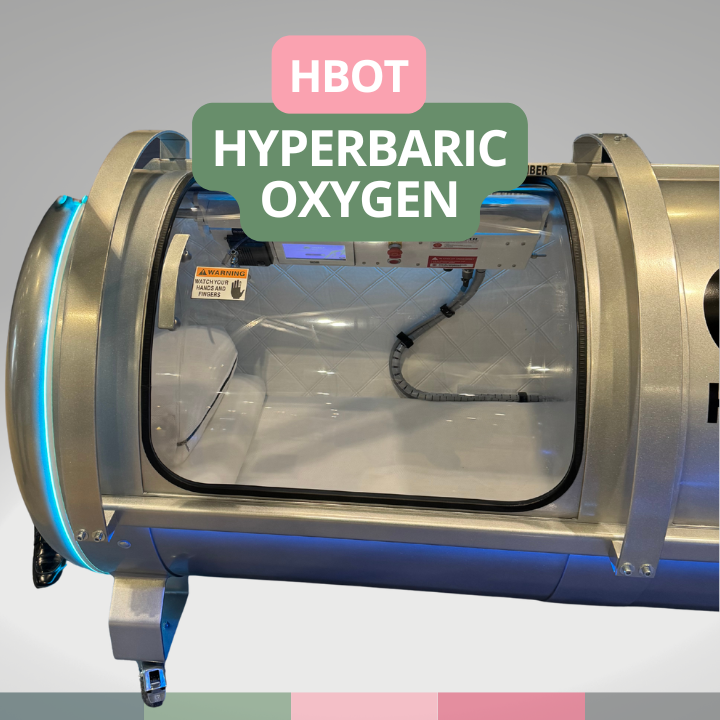
What is hyperbaric oxygen therapy (HBOT) and how does it work?
Hyperbaric Oxygen Therapy (HBOT) involves breathing 100% oxygen inside a pressurised chamber, typically between 1.3–3.0 ATA (atmospheres absolute). The pressurized chamber is a specialized environment designed to increase the absorption of pure oxygen into the body, enhancing the healing process.
Under increased pressure, oxygen dissolves directly into the blood plasma not just red blood cells significantly increasing the oxygen concentration in the blood and tissues.
This allows extra oxygen and additional oxygen to reach tissues affected by poor circulation, inflammation, injury, or slow healing, which become more common after menopause.
Oxygen-rich plasma is then delivered to areas with poor circulation, supporting wound healing, fighting infection, and reducing tissue damage. HBOT delivers extra oxygen and additional oxygen to support healing and recovery of injured tissues.
In simple terms:
More oxygen delivered at pressure creates better conditions for repair, energy production, and healthier ageing.
HBOT supports:
- Tissue regeneration
- New blood vessel formation (angiogenesis)
- Collagen production
- Mitochondrial energy output
- Reduced inflammation
HBOT also improves blood flow, which is essential for supplying nutrients and immune cells to damaged tissues, supporting tissue regeneration and healing.
These processes naturally slow with age and hormonal change which is why oxygen delivery can become relevant later in life, ensuring the body receives enough oxygen for repair and supporting the recovery of injured tissues.
How HBOT supports the body’s natural healing intelligence
Your body already knows how to heal. The challenge as we age is that oxygen delivery, circulation, and cellular energy gradually decline, making repair slower and recovery less efficient. When there is a diminished blood supply, healing can be further slowed and the risk of tissue problems increases.
HBOT doesn’t force the body to react. Instead, it improves the internal environment, giving tissues the oxygen they need to do the work they’re already designed to do. HBOT can promote healing and accelerate healing in tissues affected by poor circulation, supporting the regeneration of healthy tissue and helping to prevent tissue decay. Oxygen helps the body’s natural repair processes by enhancing cell growth, reducing inflammation, and aiding infection control.
What to expect during an HBOT session
Arriving for a hyperbaric oxygen therapy session is usually a calm, unhurried experience. The chamber itself is often similar in size to a small enclosed pod or soft tent, designed to feel private and contained rather than clinical.
Once inside, you’ll settle in comfortably, either sitting or lying down depending on the type of chamber being used. As the chamber seals, the air pressure gradually increases and oxygen is delivered through a face mask. You may notice a gentle hissing sound as the oxygen flows in.
As the pressure changes, it’s common to feel a familiar sensation in your ears similar to ascending in an aeroplane. This is simply your body adjusting to the pressure. A gentle swallow, yawn, or sip of water usually helps your ears to equalise comfortably.
Throughout the session, you’ll be breathing oxygen under pressure, allowing your tissues and cells to absorb far more oxygen than they would from everyday air. Many women describe this as a deeply supportive or restorative experience for the whole body.
Most sessions last between 60 and 90 minutes. During that time, you’re free to relax by listening to music or a podcast, reading, watching something on your phone, or even enjoying a restful nap.
There is always someone available nearby or on call throughout the session for reassurance or support. One practical point to note is that you won’t be able to leave the chamber once the session has started, so it’s important to use the toilet beforehand.
You can usually take a small bottle of water in with you, but gentle sipping is all that’s needed. Additionally, hyperbaric oxygen therapy environments increase the risk of fires due to the presence of pure oxygen, so strict safety protocols are followed to prevent such incidents.
After HBOT: recovery and next steps
At the end of a hyperbaric oxygen therapy session, the pressure inside the chamber is reduced gradually, allowing your body to return comfortably to normal atmospheric levels. Once the session is complete, a member of the team will help you exit the chamber or remove the oxygen mask or hood, depending on the system used.
Your provider may briefly check your blood pressure and pulse and, if needed, look at your ears to ensure pressure has equalised properly. For anyone managing diabetes, blood glucose levels are often monitored, as oxygen therapy can temporarily influence glucose regulation.
It’s common to feel relaxed or slightly tired after a session. This response is normal and reflects the body shifting into a recovery state. These sensations usually pass quickly and should not disrupt your day, although some people prefer to take things a little more gently afterwards.
If you do feel drowsy or light-headed, arranging transport home is sensible. This isn’t a sign of concern simply a practical step to allow your body time to settle after treatment.
Before you leave, your provider will discuss next steps with you. This may include follow-up sessions, adjustments to your treatment schedule, or guidance on how HBOT fits alongside other recovery or longevity strategies. Clear planning helps ensure HBOT is used purposefully, supporting repair and resilience rather than being applied unnecessarily.
By following basic aftercare guidance and staying in communication with your provider, you help each session do its job supporting recovery now and contributing to longer-term health outcomes.
HBOT therapy benefits for women over 50
Hyperbaric oxygen therapy is increasingly being explored beyond emergency medicine as a way to support the physiological changes that occur during and after menopause. As oestrogen levels decline, many women experience slower recovery, increased inflammation, reduced energy production, cognitive changes, and delayed tissue repair all signs that oxygen delivery and cellular efficiency are becoming limiting factors.
Research and clinical use suggest that HBOT may help support these shifts by improving oxygen availability to tissues, enhancing mitochondrial function, and reducing inflammatory burden.
This makes it particularly relevant for women managing menopause-related symptoms such as fatigue, poor recovery, brain fog, joint discomfort, and slower skin healing.
Importantly, HBOT is not a general wellness trend or a requirement for everyone. It is most useful when the goal is to support repair, stabilise energy systems, and protect long-term health especially in the context of persistent symptoms, post-illness recovery, or when the body is struggling to adapt to midlife hormonal change despite healthy lifestyle habits.
1. Cellular repair & mitochondrial function
Ageing is closely linked to declining mitochondrial performance.
HBOT stimulates mitochondrial biogenesis, helping cells produce energy (ATP) more efficiently, while also supporting DNA repair and stem cell activity.
For women experiencing persistent fatigue or low resilience, this often results in steadier baseline energy rather than short-lived boosts.
2. Reduced inflammation & improved recovery
Menopause often brings a rise in low‑grade, systemic inflammation, making recovery slower and aches more persistent.
HBOT improves oxygen delivery to inflamed tissues and helps calm inflammatory signalling. It can also reduce swelling in injured or inflamed areas, which helps speed up recovery. By supporting the repair of blood vessels and promoting healing in wound injuries, HBOT further enhances tissue recovery and reduces the risk of complications. This supports recovery from:
- Joint and muscle stiffness
- Exercise‑related fatigue
- Inflammatory or pain‑based conditions
Many women describe HBOT as restorative rather than stimulating, an important distinction after 50.
3. Skin healing & collagen support
Oxygen is essential for collagen synthesis, wound healing, and microcirculation.
HBOT enhances fibroblast activity and capillary formation, which can support:
- Firmer skin
- Faster healing after aesthetic treatments
- Improved texture and tone
HBOT is also used to support healing in cases of compromised or failing skin grafts by promoting the formation of new blood vessels (angiogenesis) and stimulating endothelial cells to aid in tissue regeneration.
This is why HBOT is often used alongside regenerative skin programmes rather than as a standalone beauty solution.
4. Brain health, clarity & mood
Brain fog, reduced focus, and low mood are common concerns during and after menopause.
By increasing cerebral oxygen availability and supporting neuroplasticity, HBOT may help improve:
- Mental clarity
- Memory
- Emotional steadiness
HBOT also enhances oxygen delivery to the cerebrospinal fluid surrounding the brain and spinal cord, supporting healing and function in these critical areas of the central nervous system.
While not a treatment for cognitive disease, it can support brain performance as part of a preventative longevity strategy. However, HBOT is not considered a safe or effective treatment for brain injury.
5. Energy, metabolism & fatigue support
Low energy is often linked to poor oxygen utilisation rather than lack of effort.
HBOT improves cellular oxygen uptake and metabolic flexibility, supporting:
- More stable energy
- Improved insulin sensitivity
- Reduced fatigue
Many women report feeling lighter, clearer, and more resilient with consistent use.
HBOT vs ReOxy therapy: understanding which oxygen therapy you actually need
As oxygen‑based therapies become more visible, many women are now hearing about ReOxy therapy and wondering how it compares to HBOT.
Although both involve oxygen, they work through different biological mechanisms and serve different stages of achieving optimal health.
What is ReOxy therapy?
ReOxy is a form of intermittent hypoxic–hyperoxic training (IHHT). Instead of delivering oxygen under pressure, it alternates carefully controlled low‑oxygen and high‑oxygen air while you remain seated and relaxed.
This fluctuation trains mitochondria to become more efficient at using oxygen rather than supplying more of it.
The key distinction
- HBOT delivers oxygen generously to support repair and healing.
- ReOxy trains the body to use oxygen better, improving resilience and metabolic efficiency.
This distinction matters.
When ReOxy may be the better starting point
ReOxy is often more appropriate if you:
- Feel persistently tired but not inflamed or injured
- Struggle with stamina or breathlessness
- Have post‑viral, stress‑related, or metabolic fatigue
- Want a non‑pressurised, chair‑based therapy
For women who feel flat rather than broken, ReOxy often delivers faster improvements in subjective energy and clarity.
When HBOT is the stronger choice
HBOT is better suited when:
- Tissue healing or regeneration is required
- Inflammation is high
- Skin, neurological, or injury recovery is a priority
- There is a history of slow healing or surgery
In simple terms: HBOT supports repair. ReOxy builds capacity.
Can HBOT and ReOxy be used together?
Yes, and when planned correctly, they can complement each other.
A longevity‑led approach often uses:
- ReOxy first, to improve mitochondrial efficiency and resilience
- HBOT later, to enhance repair and regeneration
This prevents over‑reliance on oxygen delivery alone and supports healthier ageing over the long term.
Soft vs hard hyperbaric chambers: what’s the difference?
Next up, choosing the right type of chamber matters to the outcomes.
Soft (mild) HBOT chambers
- Pressure: 1.3–1.5 ATA
- Oxygen: ~90% via mask
- Setting: Home or wellness clinics
Soft chambers are best suited for:
- General wellness and prevention
- Recovery support
- Long‑term, consistent use
Improvements are gradual but well‑tolerated.
Hard (medical‑grade) HBOT chambers
- Pressure: 2.0–3.0 ATA
- Oxygen: 100% medical‑grade
- Setting: Hospital or medical facilities
Hard chambers are used for:
- Medical recovery
- Neurological or tissue injury
- Targeted therapeutic protocols
These require supervision and clear clinical intention.
Soft vs hard hyperbaric chambers (comparison)
Feature | Soft Chamber | Hard Chamber |
|---|---|---|
Pressure | 1.3–1.5 ATA | 2.0–3.0 ATA |
Oxygen | ~90% via mask | 100% medical‑grade |
Best Use | Wellness, recovery, prevention | Medical recovery, regeneration |
Setting | Home or clinic | Medical facility |
Cost (UK) | £80–£120/session | £200–£400/session |
Pace of Results | Gradual | Faster, deeper |
HBOT safety and medical considerations
Hyperbaric oxygen therapy is generally safe when the right protocols are followed, but as with any therapeutic tool it isn’t suitable for everyone. For women in their 50s and beyond, the priority is making sure HBOT is used appropriately and safely, with a clear understanding of whether it supports your current stage of health.
It is important to note that HBOT is not considered safe and effective for treating certain conditions, including HIV/AIDS, brain injury, heart disease, stroke, asthma, depression, spinal cord injury, and sports injuries.
HBOT can carry risks when used without proper screening. These include:
- Oxygen toxicity (rare): Extremely high oxygen levels can occasionally trigger seizures or irritate the lungs, which is why treatment pressure and session length must be professionally set.
- Barotrauma or lung issues: A collapsed lung (pneumothorax) is uncommon but serious, especially if underlying lung disease is present.
- Blood sugar drops: HBOT can lower glucose levels, so people with diabetes need monitoring to avoid hypoglycaemia.
- Middle ear trauma: The most common complication after hyperbaric oxygen therapy is trauma to the middle ear, which can occur due to pressure changes during treatment.
These risks are well managed in reputable clinics, but they highlight why HBOT should never be approached casually or as a wellness trend. Other possible complications of hyperbaric oxygen therapy include eye damage, lung collapse, low blood sugar, and sinus problems, which further emphasize the need for professional oversight.
You should avoid or delay HBOT if you have:
- untreated lung disease
- recent ear surgery or active sinus/ear infection
- specific chemotherapy medications that interact with oxygen
If you have cardiovascular or respiratory concerns, always seek medical clearance first. For serious injuries, radiation-related tissue damage, or risk of tissue death, HBOT may be used but only in a strictly medical setting.
HBOT is safest and most effective when the underlying goal is repair. When the body is inflamed, depleted, or struggling to adapt to menopausal shifts, using HBOT under expert direction can support recovery. However, the risk of complications from hyperbaric oxygen therapy increases with longer and repeated therapies, making it essential to follow a carefully monitored treatment plan.
How HBOT fits into a longevity routine
Hyperbaric oxygen therapy works best as a supportive recovery tool, not a standalone solution or quick fix. Within a longevity-focused routine, its role is to enhance the body’s ability to repair and adapt particularly when recovery, inflammation, or energy production are limiting progress.
For women in midlife, HBOT is most effective when it complements the core foundations of long-term health: regular strength or resistance training to preserve muscle and bone, metabolically supportive nutrition to stabilise blood sugar and energy, high-quality restorative sleep, and practices that support circulation and stress recovery, such as heat therapy.
Many women find it helpful to follow a simple, repeatable routine. Gentle movement or strength work first helps stimulate circulation and prime tissues. HBOT then supports cellular repair and oxygen delivery while the body is in a receptive state.
Heat or cold exposure later in the day such as an infrared sauna session can further enhance circulation, support detoxification, and improve parasympathetic recovery, helping the nervous system settle and the body adapt more effectively after repair-focused therapies like HBOT.
Used in this way, HBOT becomes part of a wider wellness ritual, supporting menopause-related changes without replacing the daily habits that protect future health and longevity.
HBOT costs in the UK
- Clinic sessions: £80–£120 per session
- Home soft chambers: £7,000–£18,000
- Rentals: £500–£1,000 per month
Most women trial 6–10 sessions before deciding on long‑term use.
Final thoughts: thinking about oxygen therapies wisely after 50
Oxygen is fundamental to life, but the real benefit of oxygen therapy doesn’t come from a single session it comes from commitment and consistency.
For women over 50 dealing with fatigue, slower recovery, or the longer healing times that often accompany menopause, the body rarely responds to one-off interventions.
Longevity is built through rituals, routine, and giving the body enough time to adapt. An initial course of HBOT allows oxygen delivery to support cellular repair, reduce inflammatory burden, and strengthen energy systems in a way that isolated sessions simply can’t achieve.
The smartest longevity approach isn’t about doing everything it’s about choosing the right tool at the right time and committing to it long enough for meaningful change to occur. When repair and recovery are the priority, regular HBOT sessions can become a quiet but powerful support for rebuilding resilience, restoring energy, and improving the body’s capacity to heal.
Used in this way, HBOT isn’t a quick fix it’s a strategic tool. And for many women, that consistency becomes the secret weapon in addressing persistent fatigue, slow recovery, and the underlying repair needs that influence future health.
If you’d like clear, therapist-led guidance on whether HBOT is right for you right now or whether ReOxy would be a better first step, booking a Discovery Health Call can help you decide with confidence.
If you’d prefer to explore at your own pace, you’re also welcome to join the Ms Longevity Health Hub, where every therapy is placed in context and explained clearly, without guesswork or pressure.
How can HBOT help women experiencing burnout or chronic exhaustion?
Burnout and chronic exhaustion are often linked to prolonged stress, inflammation, and reduced cellular energy production, rather than lack of motivation or effort. After menopause, these effects can feel more pronounced, with slower recovery and persistent fatigue despite healthy habits.
HBOT may support recovery from burnout by improving oxygen delivery to the brain and tissues, supporting mitochondrial function, and helping calm low-grade inflammation. Used consistently, it can assist the body in shifting out of a prolonged stress state and into repair mode. It works best when combined with rest, good nutrition, nervous system regulation, and realistic expectations not as a single-session solution.
Is HBOT helpful for long COVID?
HBOT is being explored as a supportive therapy for people experiencing long COVID, particularly when symptoms include persistent fatigue, brain fog, shortness of breath, or slow recovery after infection. The potential benefit lies in improved oxygen delivery to tissues, reduced inflammation, and support for mitochondrial energy production systems that may remain impaired after viral illness.
For women over 50, recovery from viral infections can be slower due to hormonal changes and reduced physiological resilience. While HBOT is not a cure for long COVID, some individuals report improved energy, clearer thinking, and better recovery when it is used as part of a structured rehabilitation approach under professional guidance.
Which women are most likely to benefit from HBOT therapy after 50?
HBOT is most beneficial for women who notice that recovery feels slower than it used to whether that shows up as persistent fatigue, ongoing inflammation, delayed healing, or feeling worn down despite doing “the right things.” This is particularly common after menopause, illness, surgery, or prolonged periods of physical or emotional stress, when the body’s ability to repair and adapt can become compromised.
It is especially helpful when the primary goal is repair and regeneration, rather than fitness performance, weight loss, or metabolic training. Women who have stable daily routines, realistic expectations, and the ability to commit to an initial course of sessions tend to see the most meaningful improvements in energy, recovery, and overall resilience.
Can HBOT help with menopause-related fatigue and recovery?
HBOT may help alleviate menopause-related fatigue and slow recovery by improving oxygen availability, enhancing mitochondrial energy production, and reducing chronic inflammation. While it is not a treatment for menopause itself, it can be a valuable tool when fatigue, poor recovery, or slow tissue repair persist despite good lifestyle habits and foundational health support.
HBOT Therapy Benefits For Women Over 50
Unlike trends that focus only on superficial beauty or weight loss, Ms Longevity takes a functional, personalised approach. Her methods are rooted in addressing the root causes of health and skin concerns and providing clients with the tools they need to thrive in their own unique way. Through education and empowerment.
Ms Longevity teaches women the importance of metabolic health, functional skincare, and sustainable lifestyle changes, helping them to rediscover control over the ageing process on their own terms.
HBOT does not “detox” the body in the way detox or liver cleanses claim. Instead, it supports the body’s own detoxification systems by improving oxygen delivery to tissues, reducing inflammation, and supporting liver, lymphatic, and cellular repair processes. For women over 50, this can indirectly improve how efficiently waste products are processed and eliminated particularly when combined with good nutrition, hydration, and regular movement.
HBOT works best as a course of treatments, not a single session. Most women are advised to start with 6 to 10 sessions, 36 to 48 hours apart, to allow the body time to respond, with some continuing weekly or fortnightly sessions for maintenance. The exact duration depends on your goals, whether recovery, fatigue support, or tissue repair and should be guided by how your body responds over time.
HBOT may help alleviate menopause-related fatigue and slow recovery by improving oxygen availability, enhancing mitochondrial energy production, and reducing chronic inflammation. While it is not a treatment for menopause itself, it can be a valuable tool when fatigue, poor recovery, or slow tissue repair persist despite good lifestyle habits and foundational health support.